Finding Twosday
October 05, 2026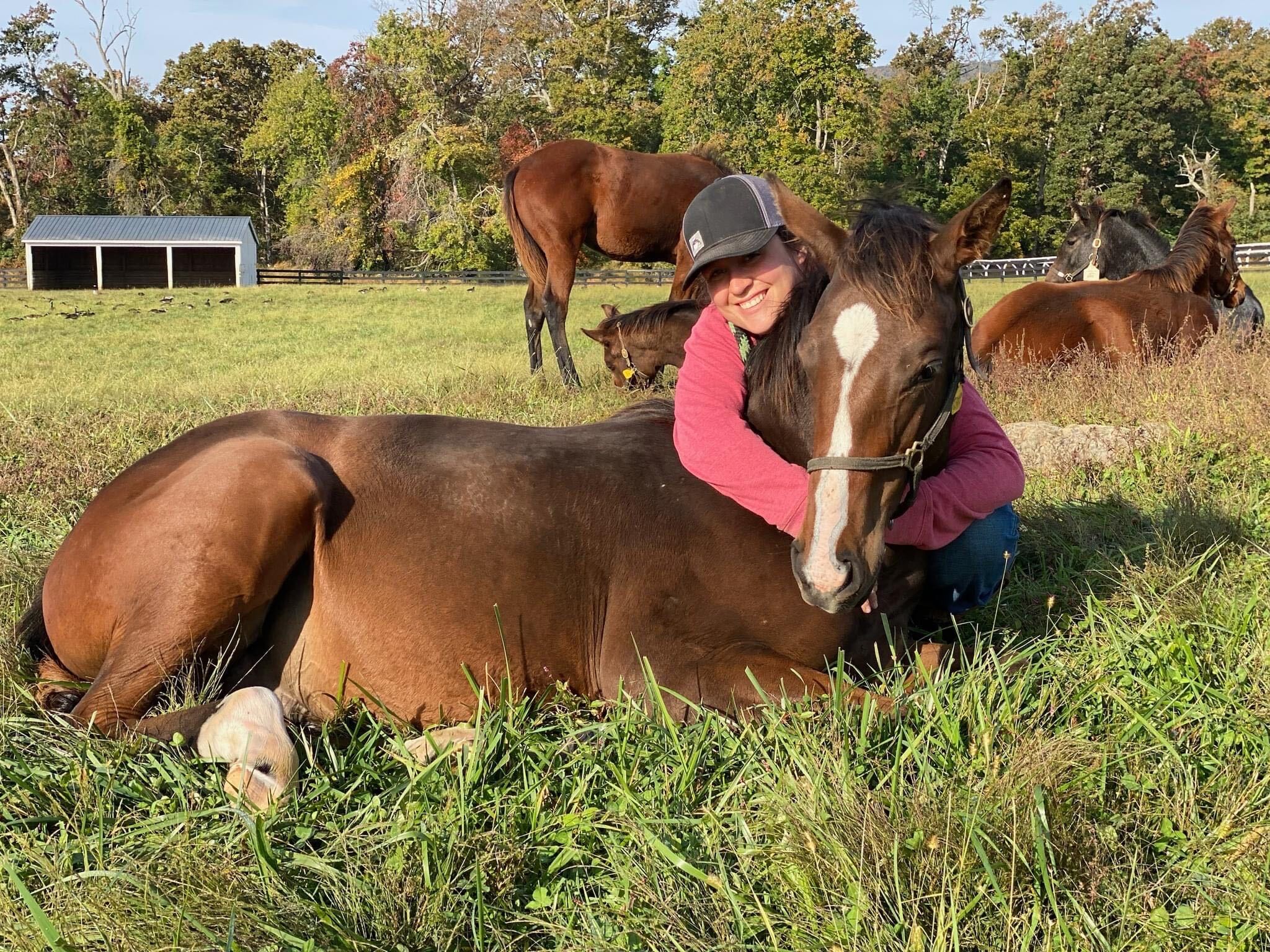
Photo courtesy of Chelsey O’Brien
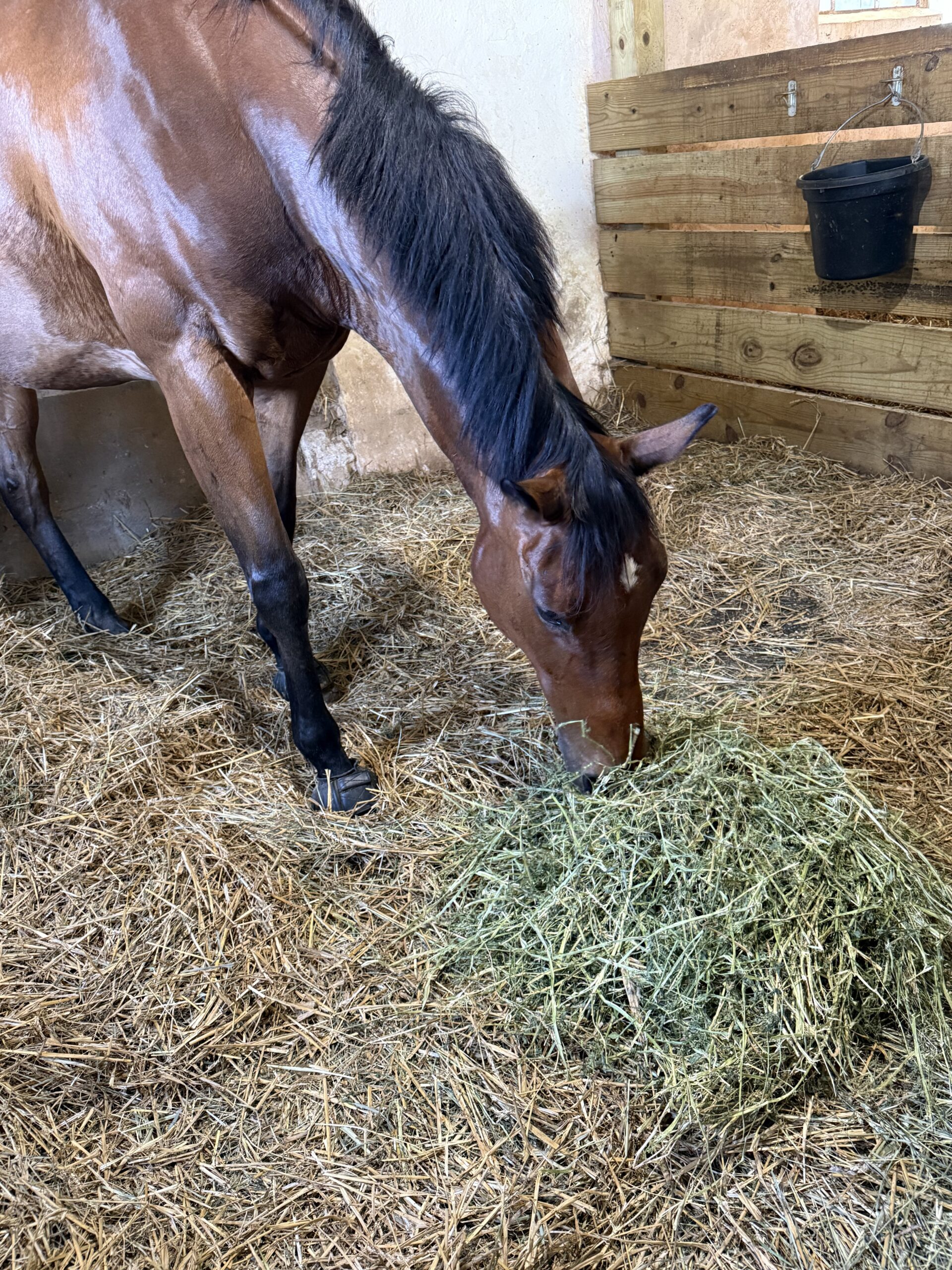
On Tuesday, February 22, 2022 at precisely 9:22 am, a bay colt took his first breaths on
Legacy Farm in Northern Virginia. One of 12 foals born at the farm that year, and one of
17,233 Thoroughbreds registered with The Jockey Club in the United States in 2022, the colt
would be named “Global Giant,” a 16.3 hand bay with a distinctive blaze.
To racing enthusiasts, his career could be described as unremarkable. Sold for a modest
$12,000 as a yearling, he would go on to race 8 times, winning only one race. But to Chelsey
O’Brien, the Makeover trainer and broodmare manager who foaled him on that late-winter
morning, the stubborn, snuggle-bug colt she called “Twosday” would help fulfill a dream
years in the making.
From the Foaling Barn
By the time Twosday was born, O’Brien already had more than a decade of experience with
Thoroughbreds. As a teenager, she helped restart horses coming directly off the track at
Suffolk Downs, later learning the intricacies of rehabilitation and layup care. In 2017, her
career took her to a breeding and foaling farm in Southern Indiana, where a 117-foal season
gave her a crash course in foaling. By the time she arrived at Legacy Farm, she had worked
with Thoroughbreds at nearly every stage of their lives, from the foaling barn to the
racetrack and back again.
“I’m so incredibly passionate about the Thoroughbred,” she said. “I’ve ridden hundreds of
them, I’ve handled thousands of them.”
Her passion rubbed off on her husband, Erminio Cortes, a former 5* (FEI sport) show
groom.
“I had to convince him to come over to this industry,” she laughs. “Now he thinks he could
never go back. Twosday was the first baby that Erminio and I pulled together. I just loved
him so much. I love every single one of them so much.”
Finding Twosday
After selling as yearling, Global Giant would make his way to the racetrack, making starts in
Florida, Pennsylvania, and New York. O’Brien followed each start through her Equibase
Virtual Stable, and whenever ownership changed, she reached out.
“He made some lackluster starts in the beginning, and I didn’t know if he would make it as
a racehorse,” O’Brien recalled. “I would tell his new owners, ‘If anything ever happens and
he ever comes up for sale or needs a home, please keep me in mind.’”
She received responses from several owners. Crickets from others. And then his trail went
cold.
“I kept watching and looking for workouts,” said O’Brein. “I was trying to not be a crazy
person, but I was wondering what happened. Maybe he’s just on a break, maybe he had an
injury and he’s being rehabbed. But I just couldn’t find him.”
In January of 2025 she took to Facebook, posting foal pictures on the OTTB Connect group.
The response was almost overwhelming. Hundreds of people interacted with the post
resulting in false leads, mistaken identities, and dead ends. At one point, she joked that she
had become like “the FBI” trying to track him down.
Finally, she got a lead. After passing through a private reseller in New Hampshire, Global
Giant had been purchased by a Connecticut owner with plans to send him to professional
reseller and fellow Makeover trainer, Aubrey Graham. When family and health
circumstances changed those plans, he instead went into training closer to home and was
eventually offered for sale. That’s when a pre-purchase exam raised concerns: Global Giant
reportedly tripped in deep footing, was graded a one out of five neurologically, and showed
some right-hind lameness. The prospective buyer backed out, and his owner, an advancedbeginner rider, was left worried about his future and unsure whether she had the resources
to address his needs.
When O’Brien heard the news, her answer came instantly.
“I want him.”
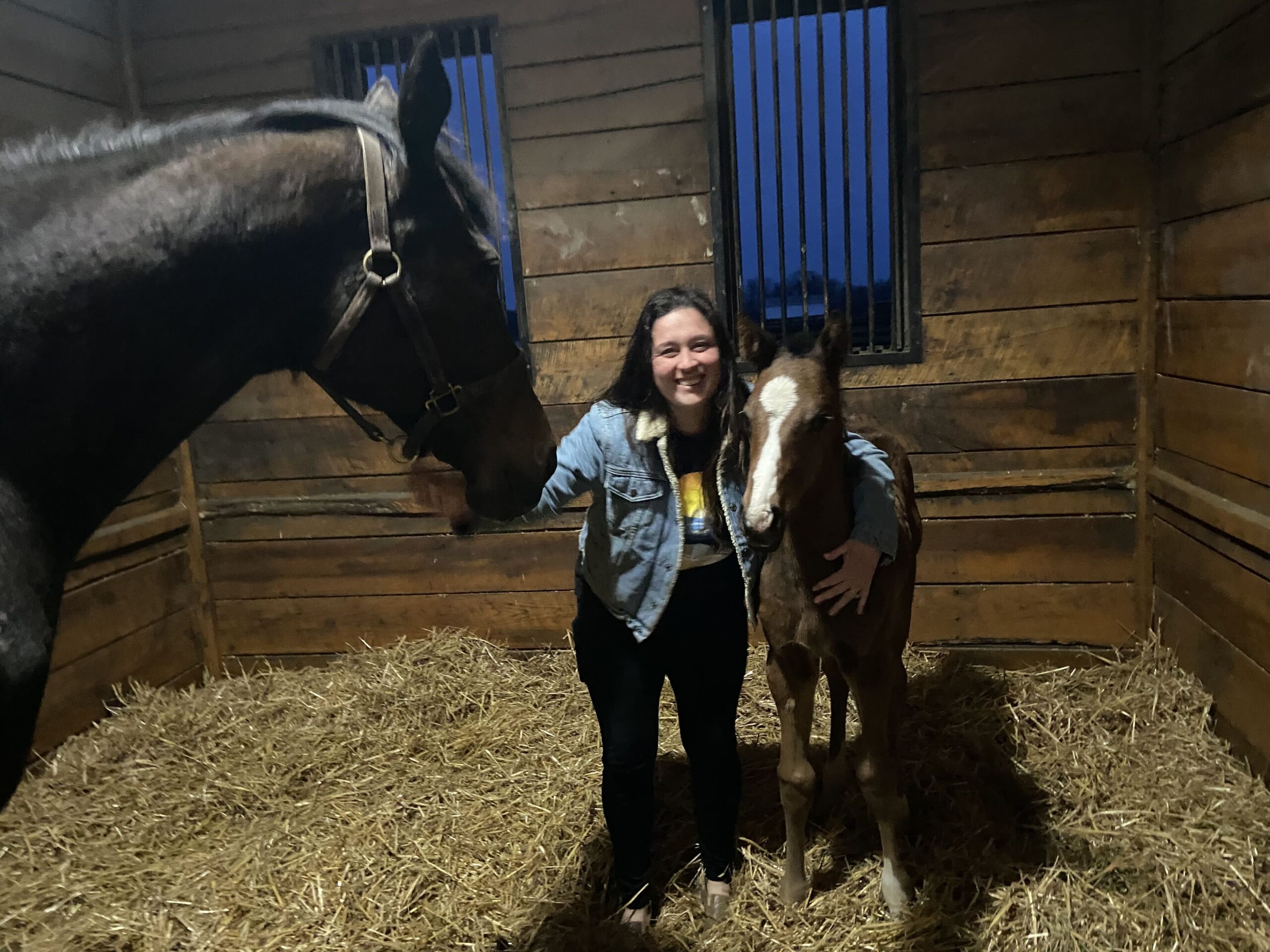
Photo courtesy of Chelsey O’Brien
The Next Chapter
Looking back, O’Brien believes the things that worried prospective buyers weren’t
permanent diagnoses. They were problems to solve. Long toes. Vitamin deficiency.
Conditioning. Time. Patience.
She doesn’t claim that every difficult veterinary report has a perfect ending. But she
believes that one imperfect moment shouldn’t define an entire horse.
“Just because he was deemed not perfect on one day of his life doesn’t mean that he is not
worthy of doing these things.”
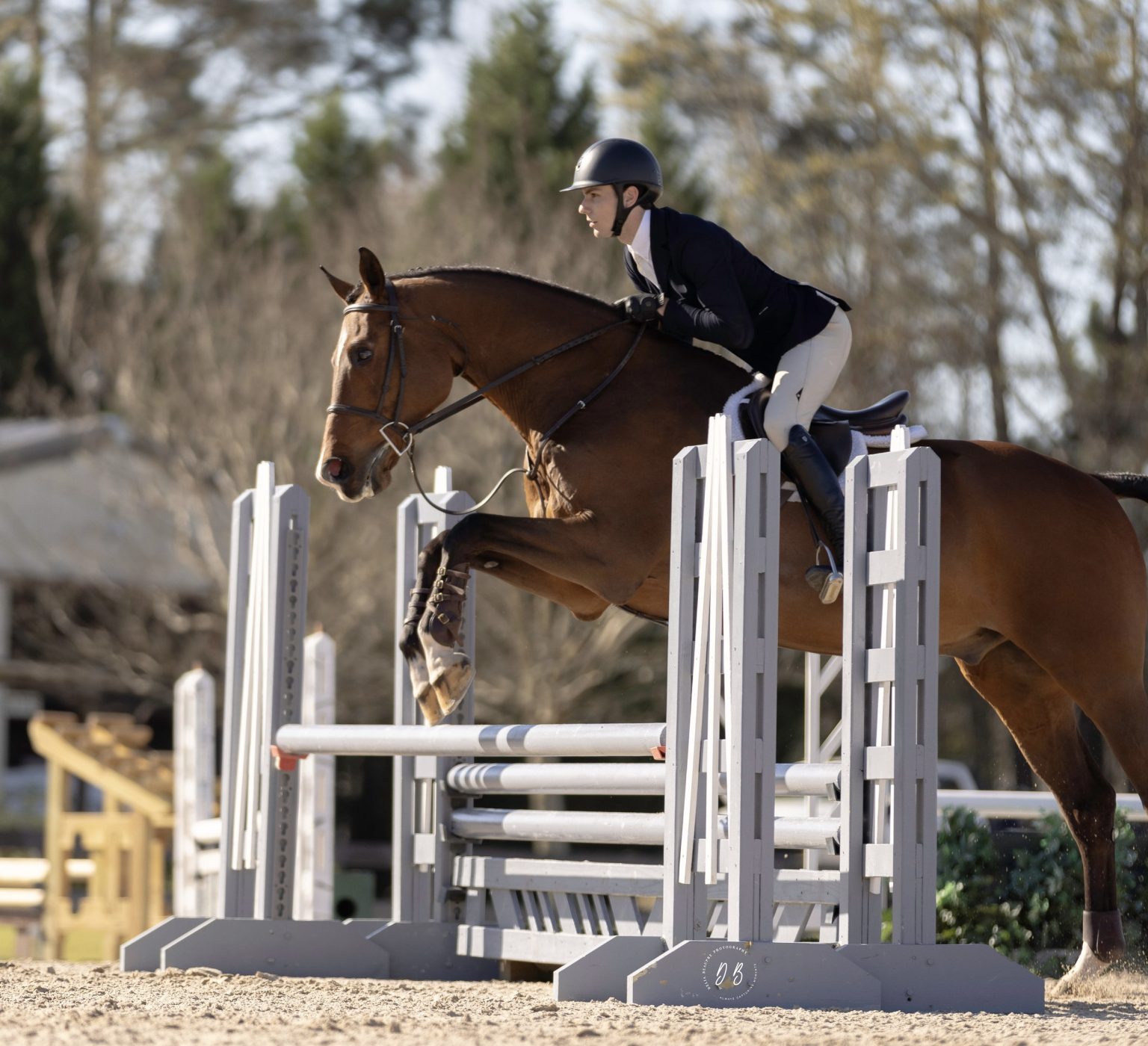
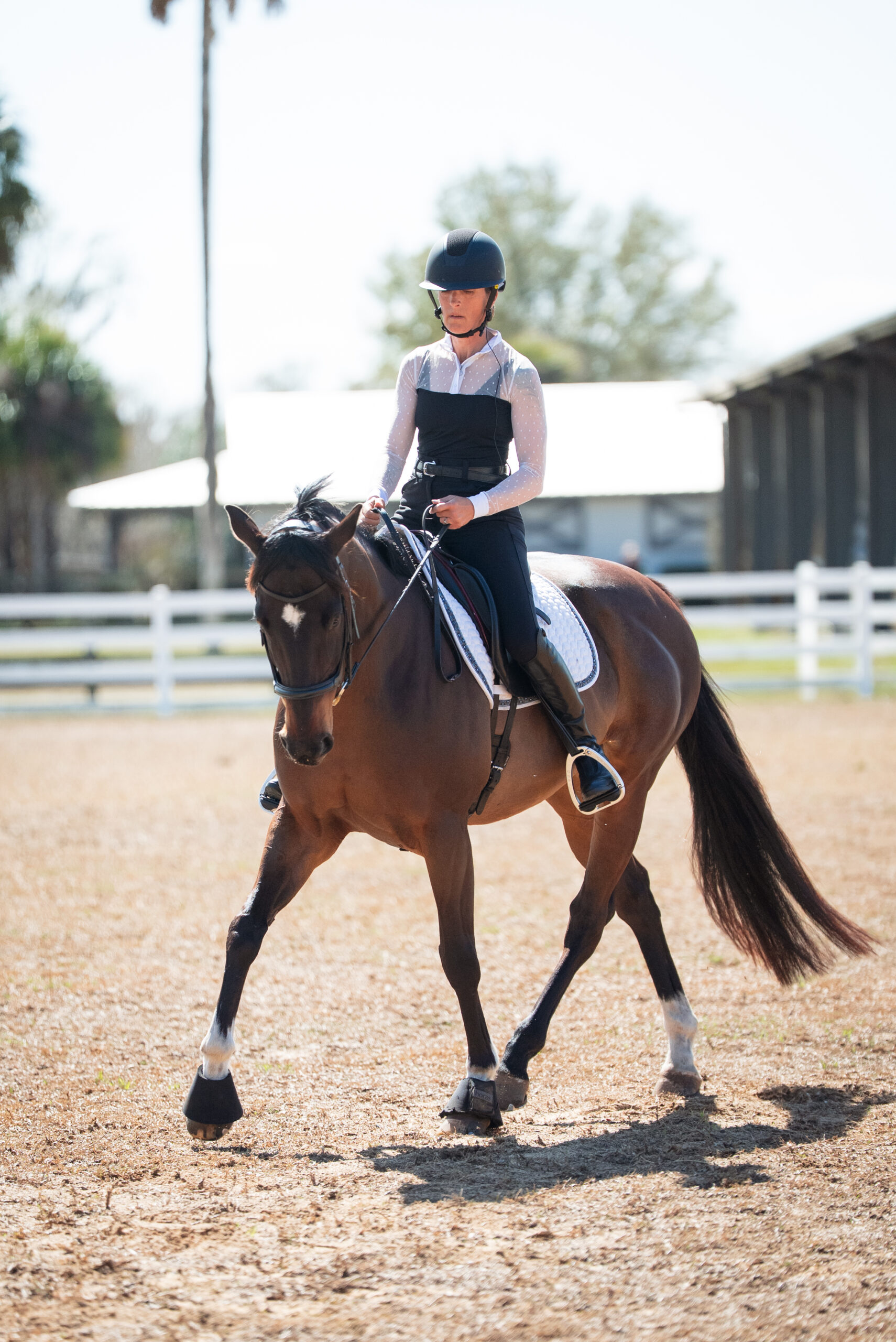
That’s exactly what she hopes to demonstrate this October. Not simply that Twosday can
compete, but that he deserves the chance to.
Ask O’Brien why this horse matters so much, and the answer has little to do with ribbons or
prize money.
“I’ve always been underestimated,” she said. “A lot of people have told me I can’t do things
or that I would never be able to be competitive in certain things. Thoroughbreds resonate
with me so much. I love a good underdog story.”
She continued, “If somebody says I can’t do something, I’m going to do it twice and take
pictures. It’s about challenging these stereotypes for Thoroughbreds. They’re perfectly
capable of doing anything.”
And on a more personal level, Twosday is helping O’Brien achieve a different goal.
“My dream was always to take something that I foaled and bring it to the Makeover. There
are so many people who put hands on a horse and we all very much care about what
happens to our horses. I want to be a voice for that,” O’Brien said. “I was really determined
to find him and that goes for any baby that I have loved, cared for, or foaled. That’s between
250 and 300 horses now.”
She hopes Twosday will compete in Competitive Trail or Ranch Work, disciplines where
Thoroughbreds continue to challenge long-held stereotypes. Whether he finishes first or
last is beside the point.
“To me,” she said. “He’s going to be a lifer. I wanted him from the second he was born and
loved him from the second he was born.”
Conclusion
For generations, a horse breeder’s or broodmare manager’s job largely ended when
another person’s job began.
Once a foal was weaned, prepared for the sales ring, and eventually shipped off to begin
race training, following each horse’s story became increasingly difficult. Some horses
became champions. Others quietly found second careers through trainers, local
horsemen, and word of mouth.
Today, organizations dedicated to aftercare, retraining, and second careers, along with
tools like Equibase Virtual Stable and social media, have changed that reality. The
evolution of aftercare has become an evolution of connection. But Twosday’s story also
illustrates how much work remains. O’Brien had the experience, industry connections, and
determination to follow him through multiple stages of his life, and still, for a time, she lost
him. As the industry continues to strengthen the bridge between racing and second
careers, the next step is making those connections easier to maintain and ensuring that the
people who care about these horses have the tools to keep following them.
In Twosday and O’Brien’s case, thanks to a network of breeders, owners, trainers,
organizations, volunteers, and the tools that connected them, a colt born on a quiet
February morning didn’t become another horse whose story faded from view.
The hope is that fewer of the people who welcomed these horses into the world will be left
wondering where their stories lead. Sometimes, they may even get to help write the next
chapter. And sometimes, if they’re very lucky, they get to stand beside a horse they once
saw rise on wobbly legs and watch him begin all over again.
Four years after she helped pull him into the world, O’Brien will once again lead Twosday
into a new beginning, this time through the in-gate at the Thoroughbred Makeover.
It isn’t the ending she imagined on that February morning.
It’s better.